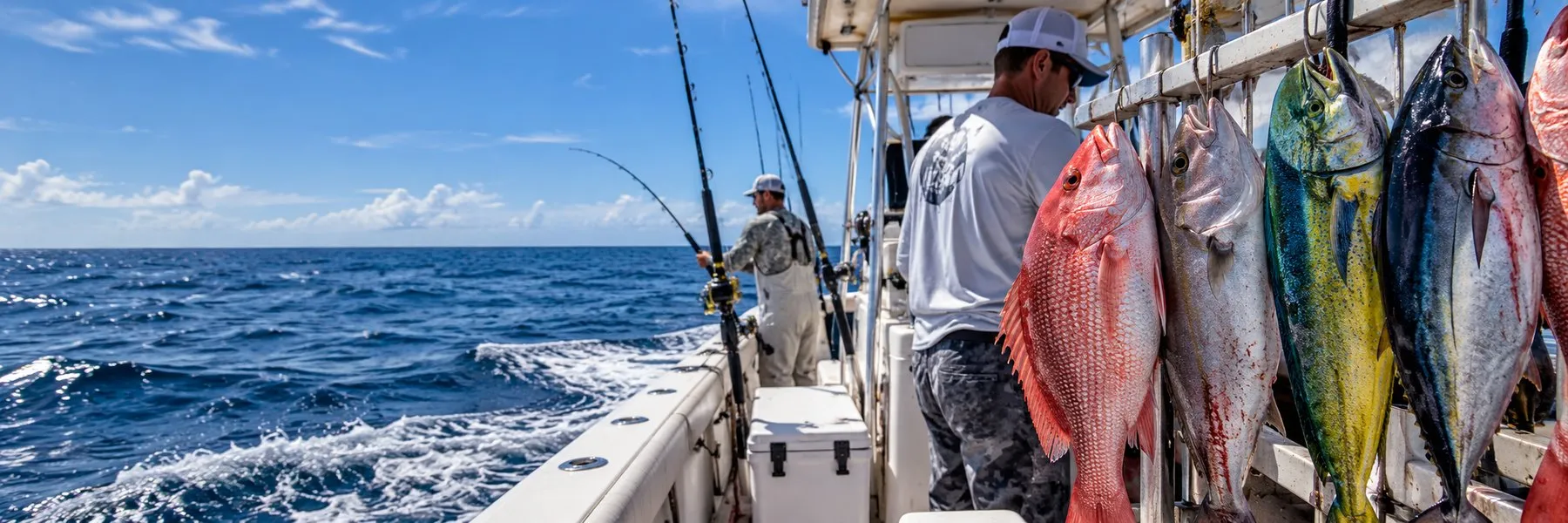
What fish can you catch out of Gulf Shores?
Offshore, reef species like red snapper, grouper, triggerfish and amberjack over structure, plus mackerel, tuna and mahi-mahi in open water. Inshore, redfish, speckled trout, flounder and sheepshead in the bays. Which are legal to keep depends on seasons and limits set by regulators.
Species here are grouped by where they live rather than by month, because habitat is stable and seasons are not. Which trip you book determines which group is realistically available to you: reef and pelagic species need an offshore trip, inshore species need the bays. See deep sea fishing and inshore fishing for the two sides of that.
Seasons for the headline species are set annually rather than fixed — when red snapper season opens in Alabama covers who announces the dates and where to check them. This page does not repeat them.
Species marked regulated below carry seasons, size limits or bag limits that change — sometimes within a season. Treat the note as a prompt to check current rules with the regulator, never as the rule itself.
Reef and bottom species
Offshore, over artificial reefs, wrecks and hard bottom.
The core of most deep sea trips. Caught on the bottom, over structure, usually at anchor or on a controlled drift.
-
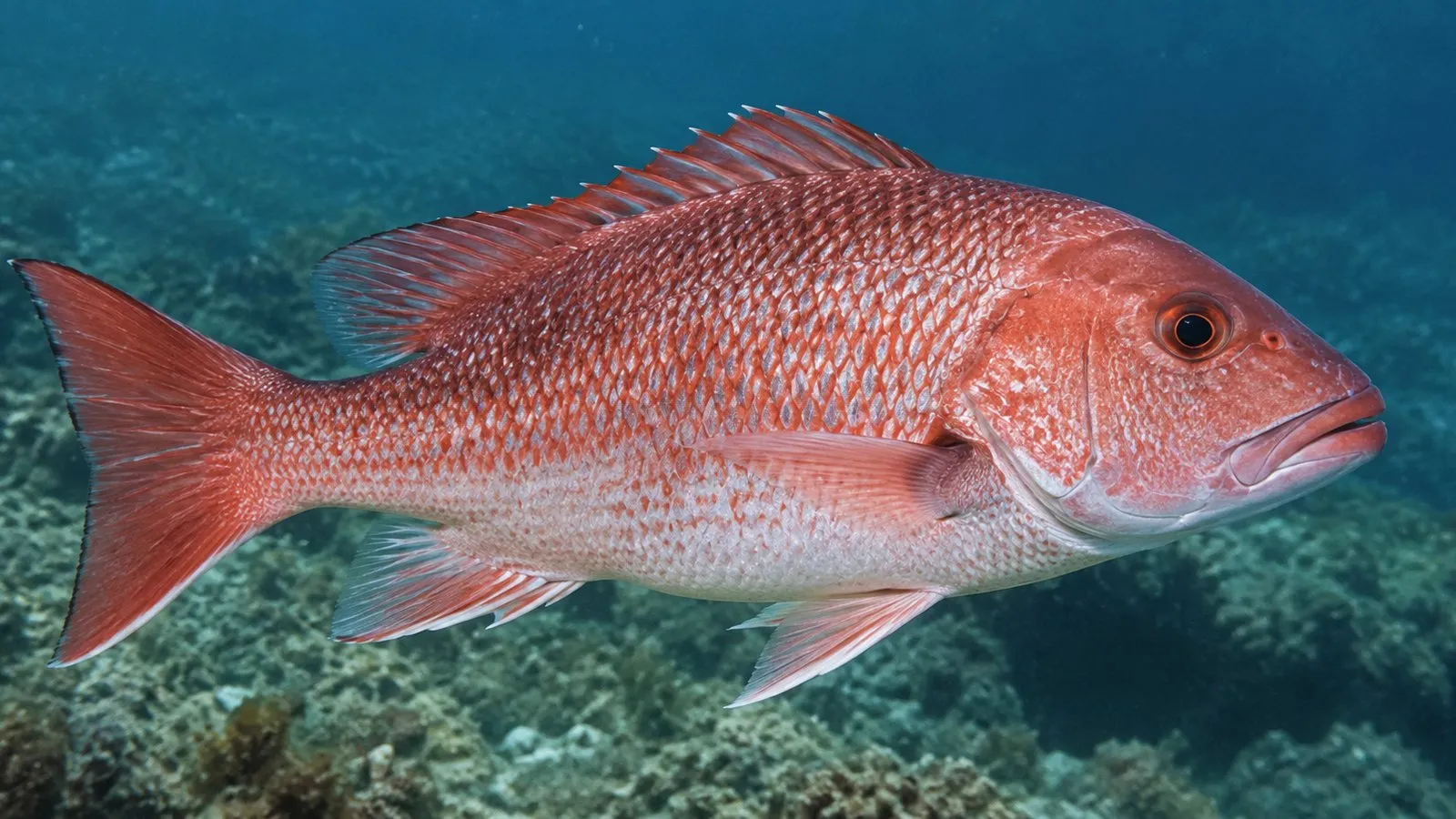
Red snapper regulated
The species most visitors come for. Season set annually.
Eats fish, shrimp, crab, worms, cephalopods (octopus or squid), and some plankton — NOAA Fisheries
-
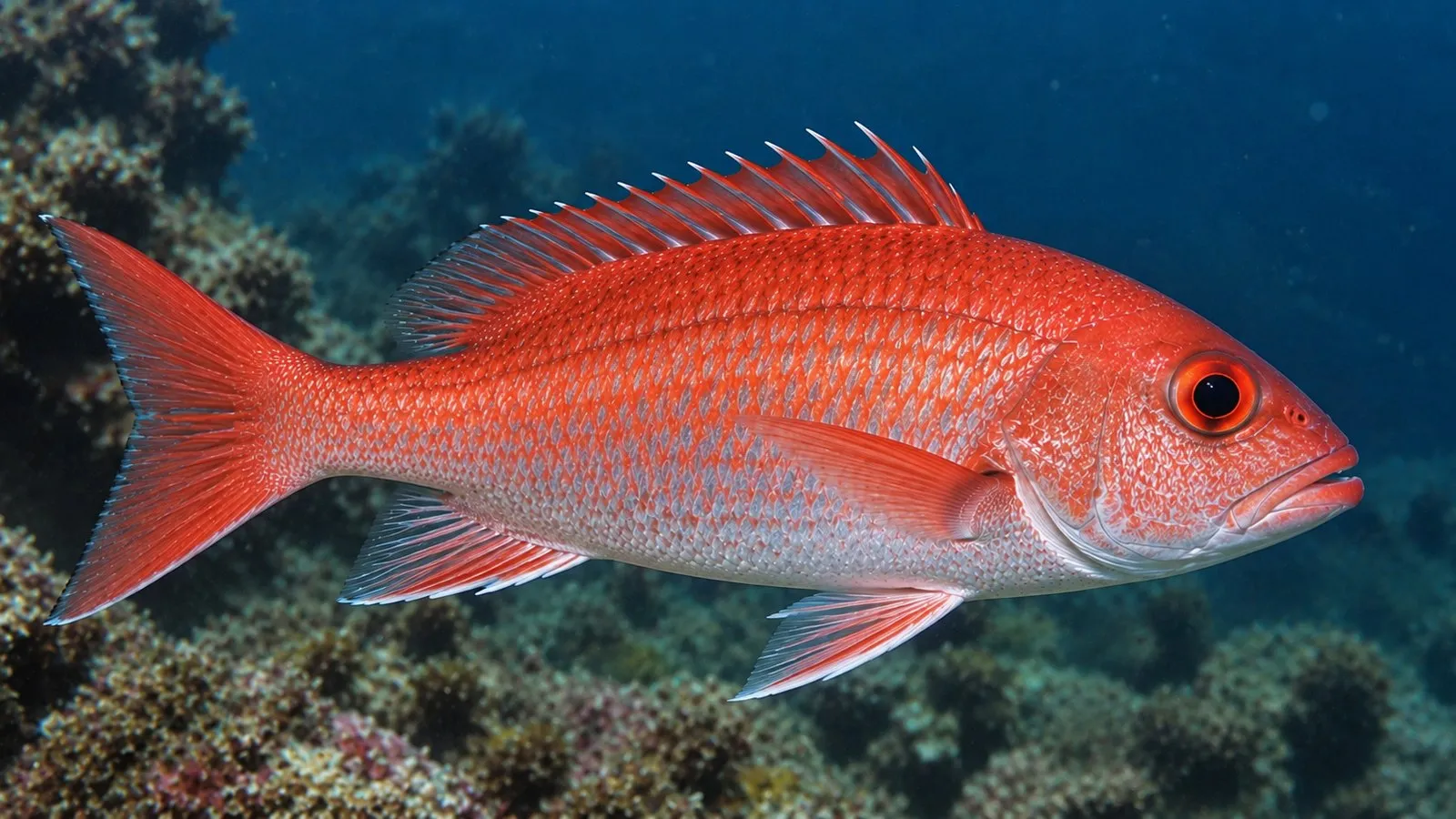
Vermilion snapper regulated
Smaller, often caught in numbers on the same structure.
Eats fish, shrimp, crabs, worms, and other bottom-dwelling invertebrates, as well as squids and plankton — NOAA Fisheries
-
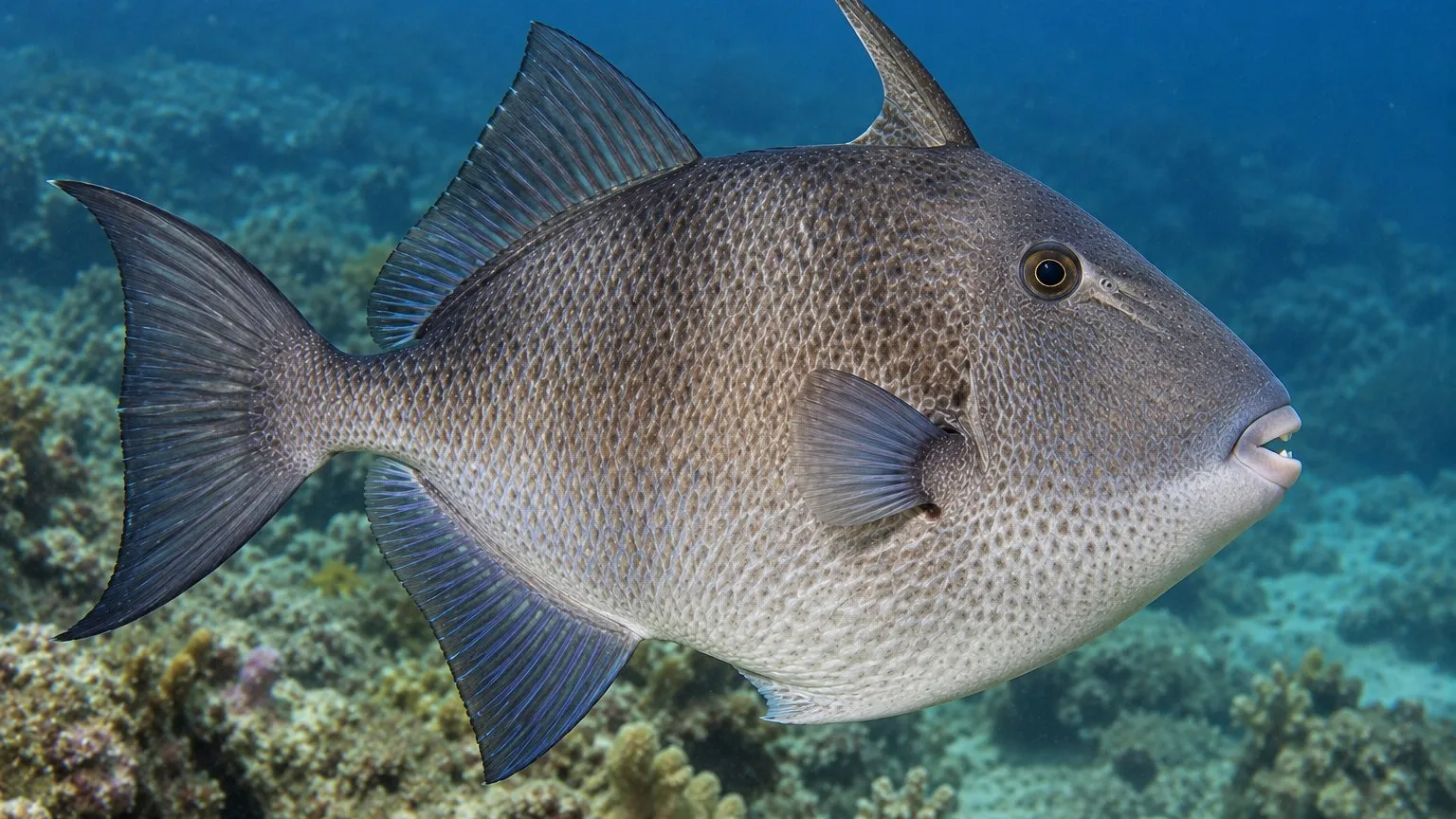
Gray triggerfish regulated
Reef dweller, notoriously good at stealing bait.
Eats benthic invertebrates including crabs, sea urchins, shrimp, sand dollars, lobsters, and mollusks — NOAA Fisheries
Eating The meat of gray triggerfish is uniquely sweet. Firm.
Range Western Atlantic from Nova Scotia to Argentina, including Bermuda and the Gulf. — NOAA Fisheries -
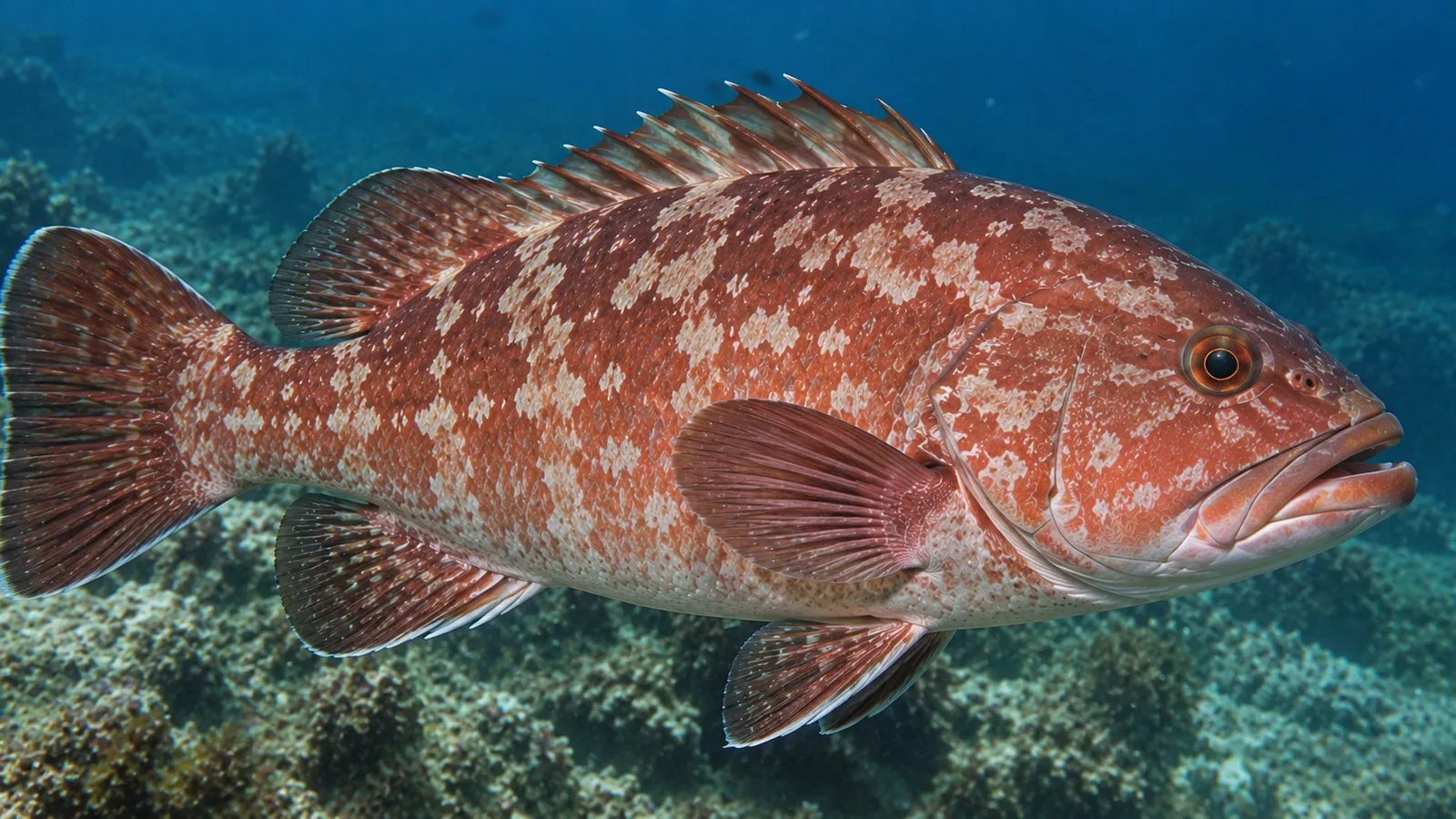
Red grouper regulated
Bottom structure. Grouper seasons vary by species and zone.
Eats a wide variety of fish, octopus, and crustaceans, including shrimp, lobsters, and mantis shrimp — NOAA Fisheries
Eating Red grouper has a mild but distinct flavor, somewhere between bass and halibut. Very firm, moist, and flaky.
Range From Massachusetts through the Gulf and south to Brazil. — NOAA Fisheries -
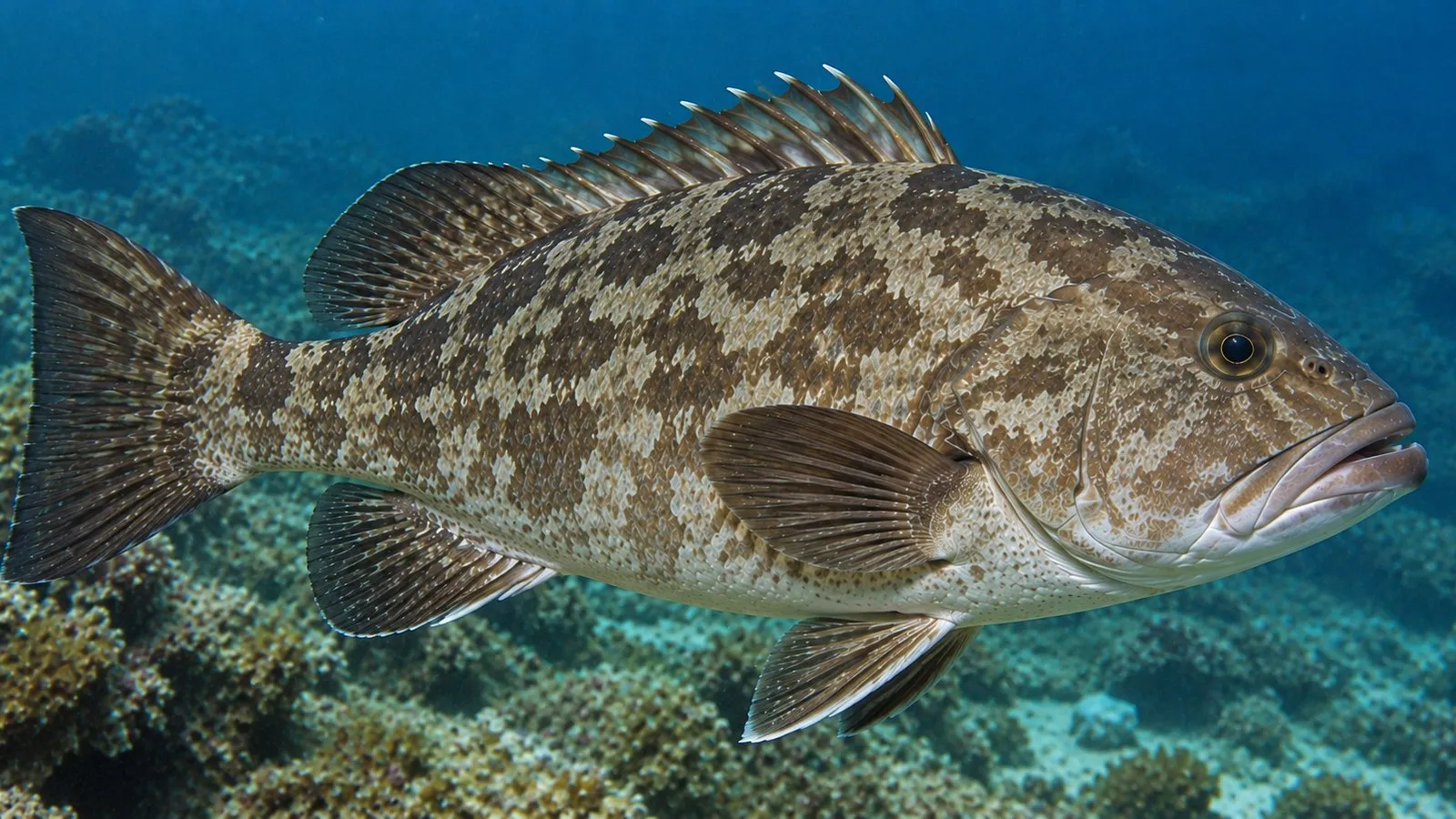
Gag grouper regulated
Larger, harder fighting, and separately regulated.
Eats a variety of fish, crabs, shrimp, and squid — NOAA Fisheries
Eating Mild but distinct flavor, somewhere between bass and halibut. Firm, moist, and flaky.
Range Primarily from North Carolina to the Yucatán Peninsula, including the Gulf. — NOAA Fisheries -
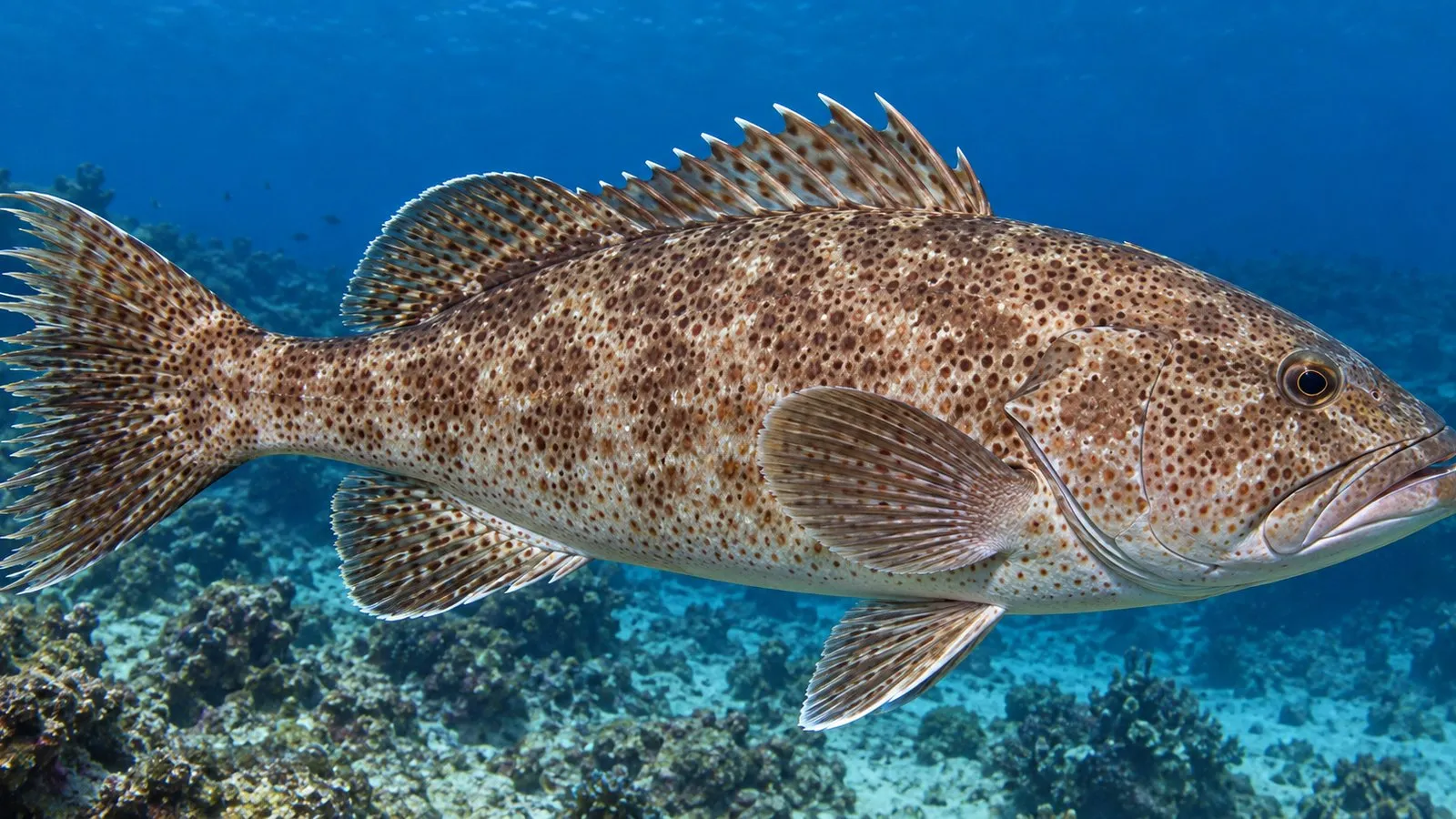
Scamp regulated
A smaller grouper, well regarded on the table.
-
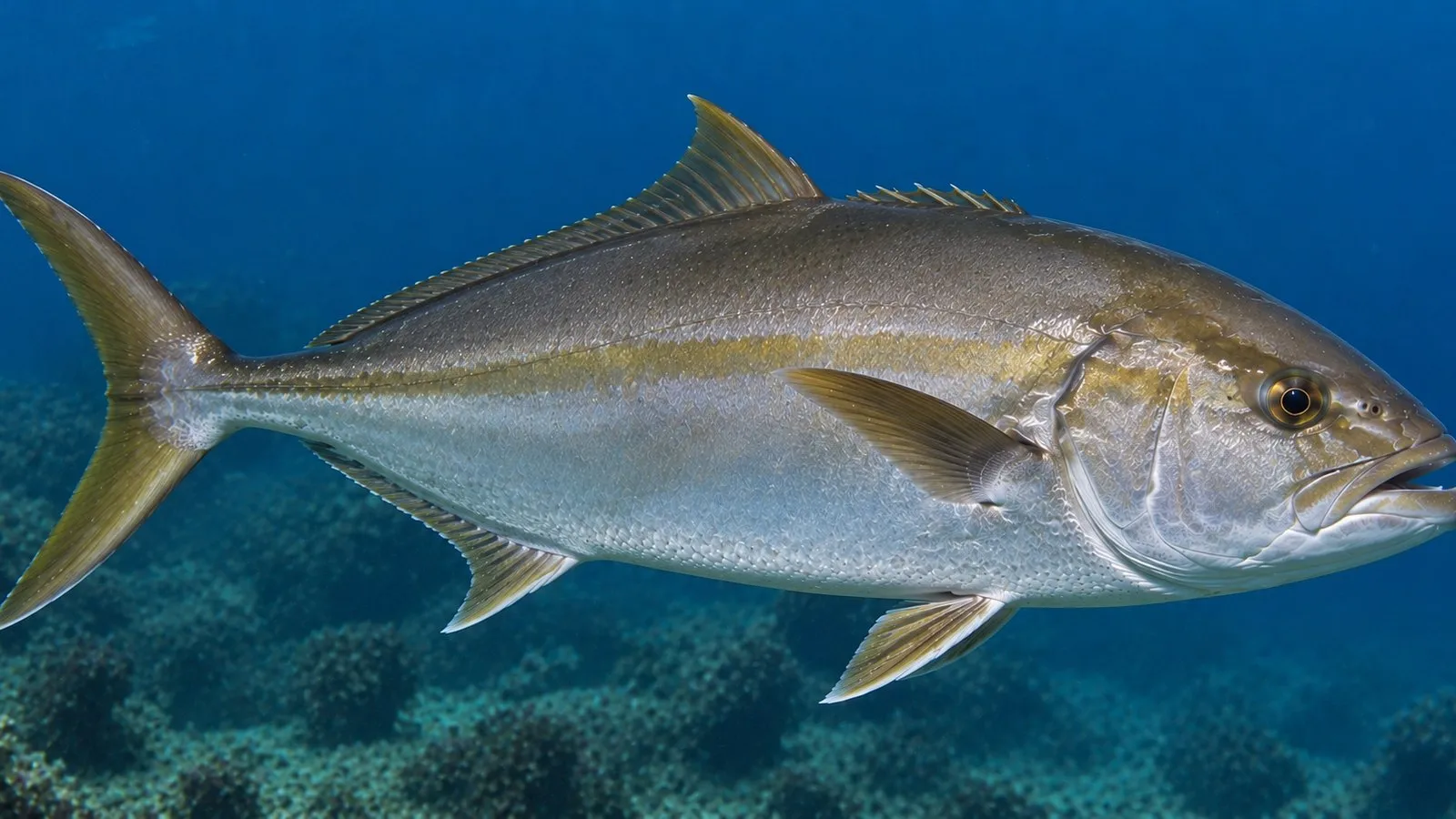
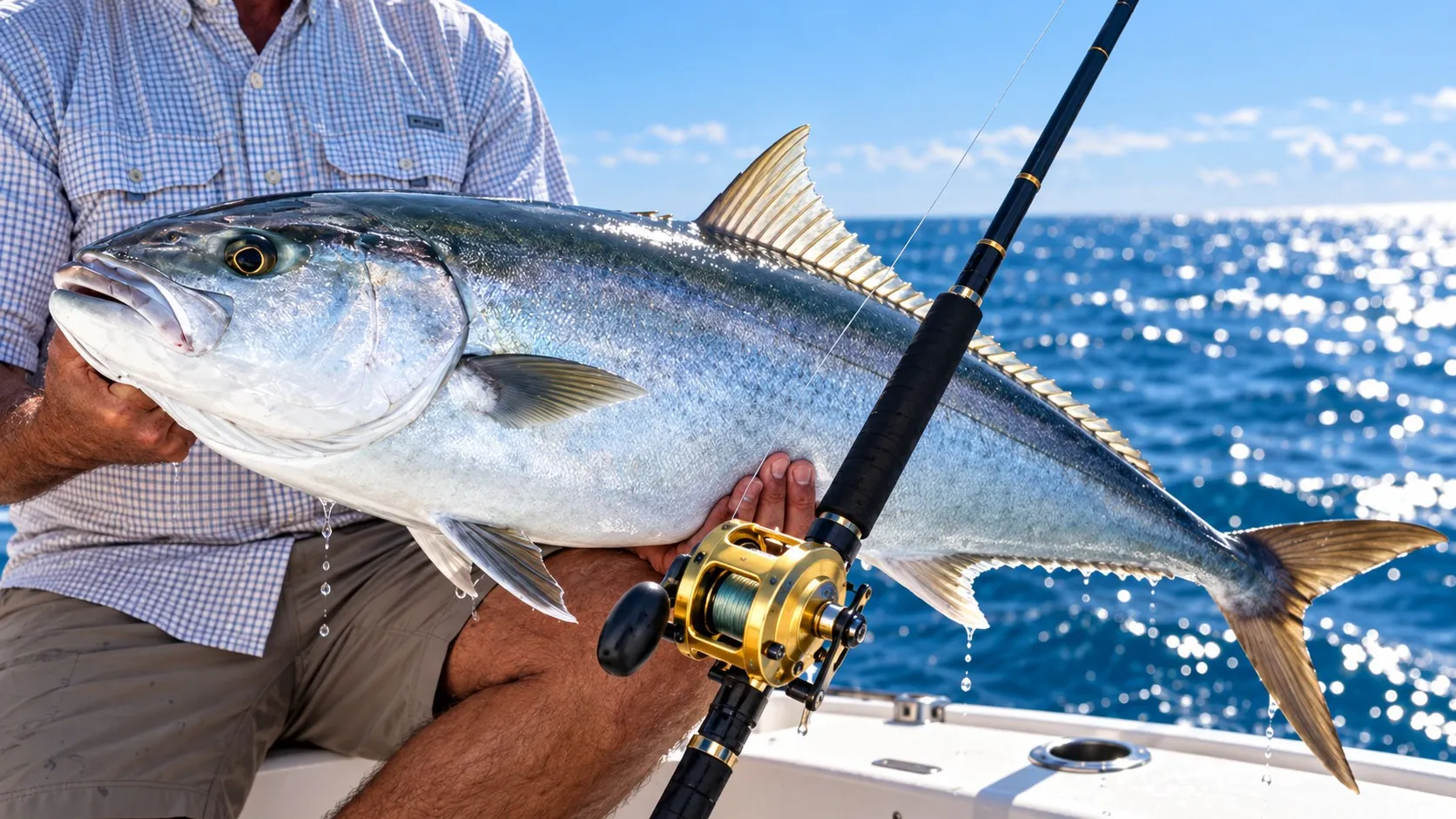
Greater amberjack regulated
Powerful fish, strongly regulated, tightly limited seasons.
Eats mostly crab, squid, and other fishes found on reefs — NOAA Fisheries
Eating Greater amberjack has a sweet, mild flavor. Tender, firm, and delicate. — NOAA Fisheries
-
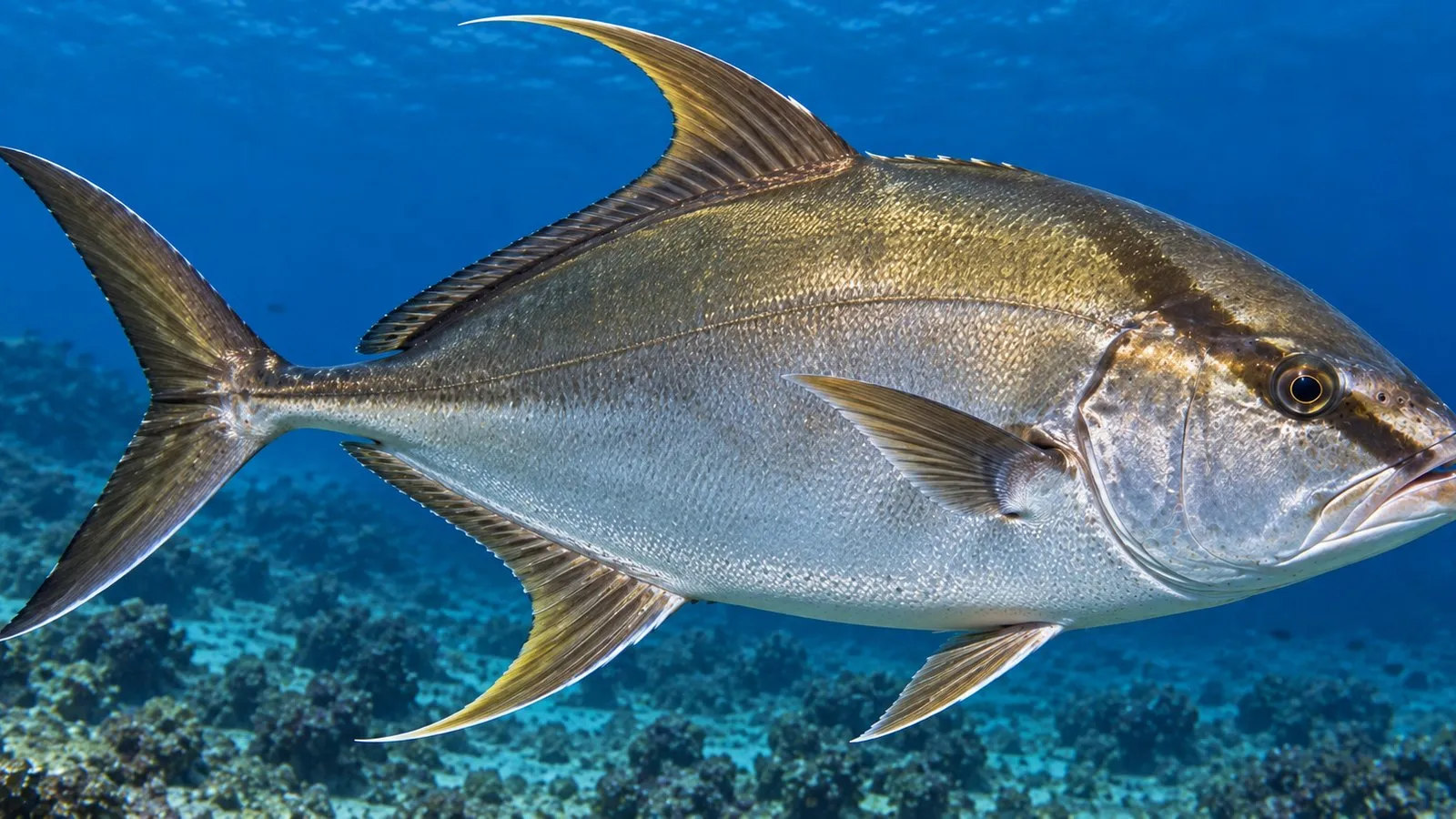
Almaco jack
Amberjack relative, often caught over the same structure.
Pelagic species
Open water offshore, caught trolling rather than on the bottom.
Fish that move through rather than living on structure. Distance offshore largely determines which are realistic.
-
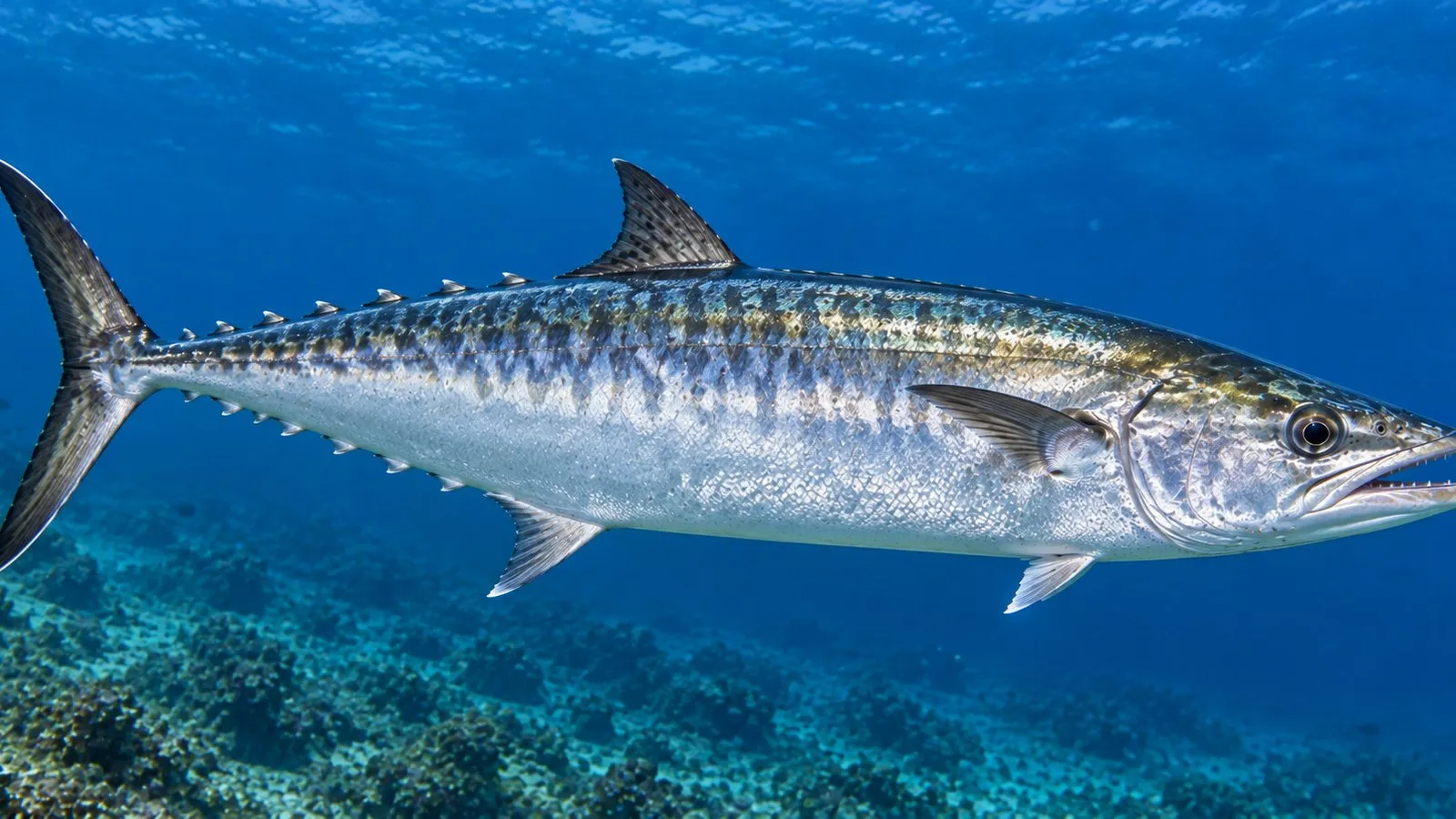
King mackerel regulated
Fast, toothy, common on troll and near structure.
Eats fish, squid, and shrimp — NOAA Fisheries
-
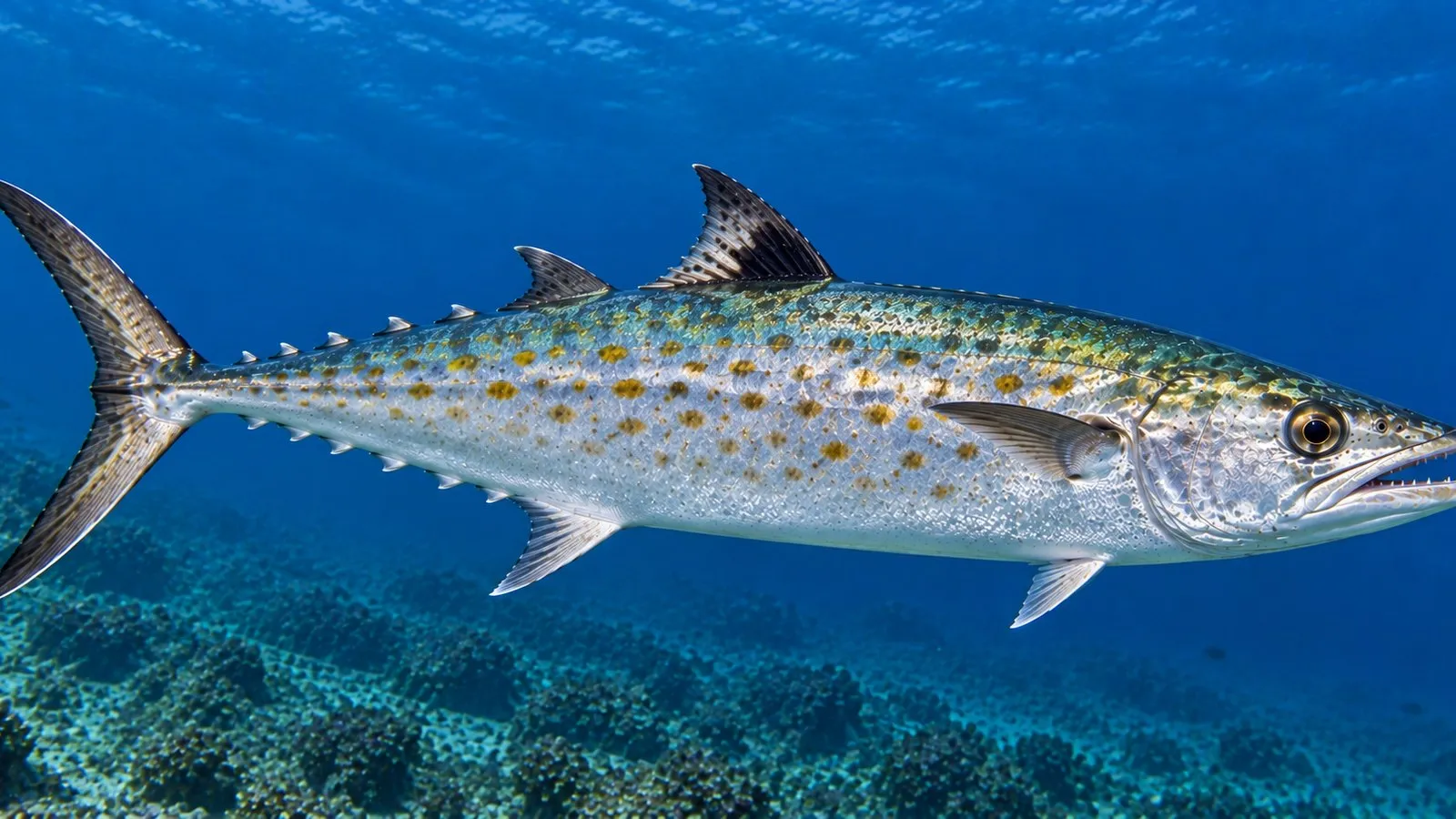
Spanish mackerel regulated
Smaller cousin, found closer in.
-
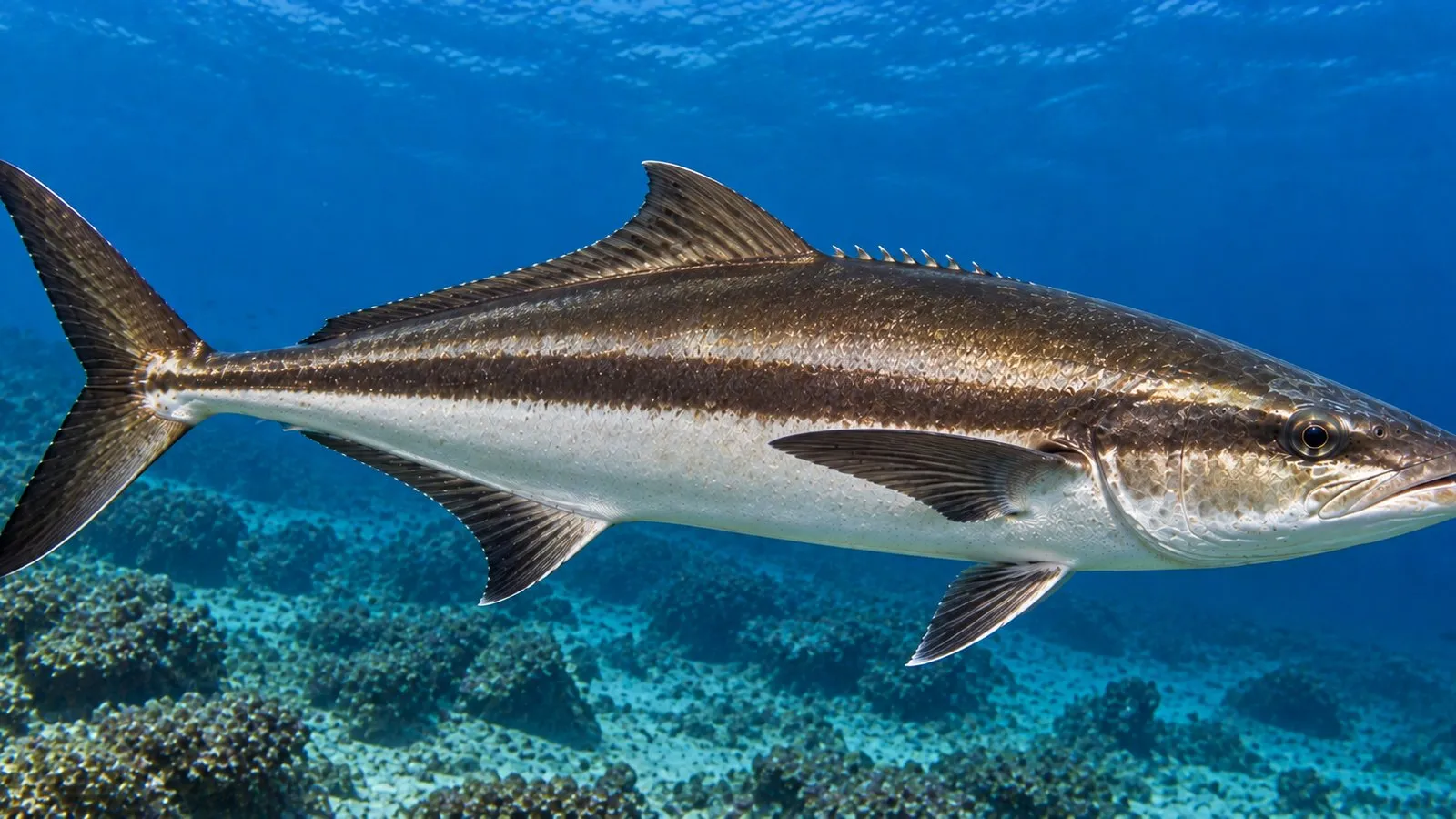
Cobia regulated
Migratory and sight-fished at certain times of year.
Eats mainly crustaceans, but also fish and squid — NOAA Fisheries
Eating Cobia has a sweet, rich flavor. Cobia is lean, moist, and firm with a nice flake.
Range Most abundant in US waters from Virginia south through the Gulf. — NOAA Fisheries -
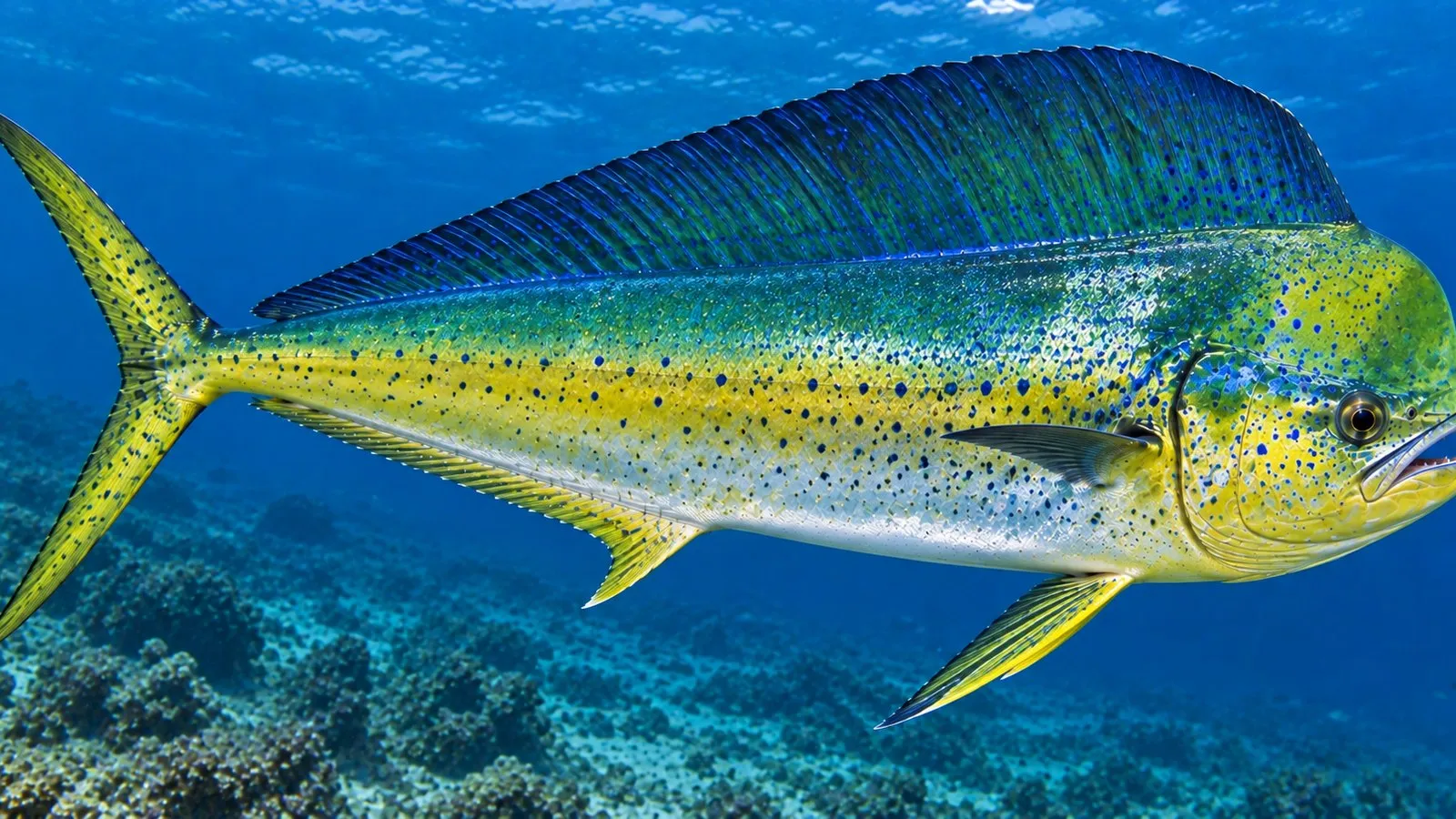
Mahi-mahi
Found around floating structure and weed lines well offshore.
Eats a wide variety of species, including small pelagic fish, juvenile tuna, invertebrates, billfish, jacks and pompano — NOAA Fisheries
Eating Mahi mahi has a sweet, mild flavor. Mahi mahi is lean and fairly firm with large, moist flakes.
Range Found in the Atlantic, the Gulf and the Caribbean, and caught from Massachusetts to Texas. — NOAA Fisheries -
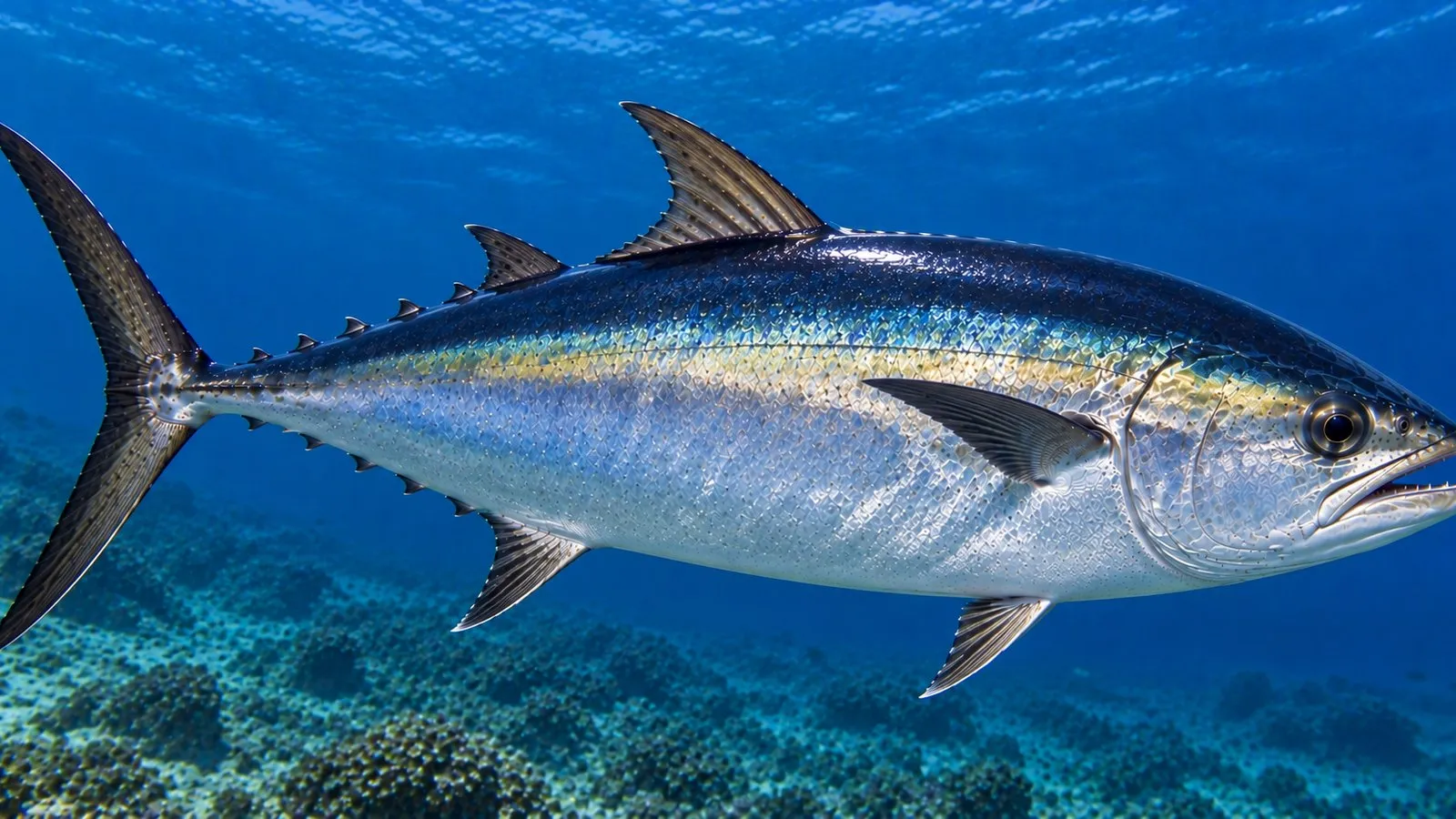
Blackfin tuna
Reachable on longer trips.
-
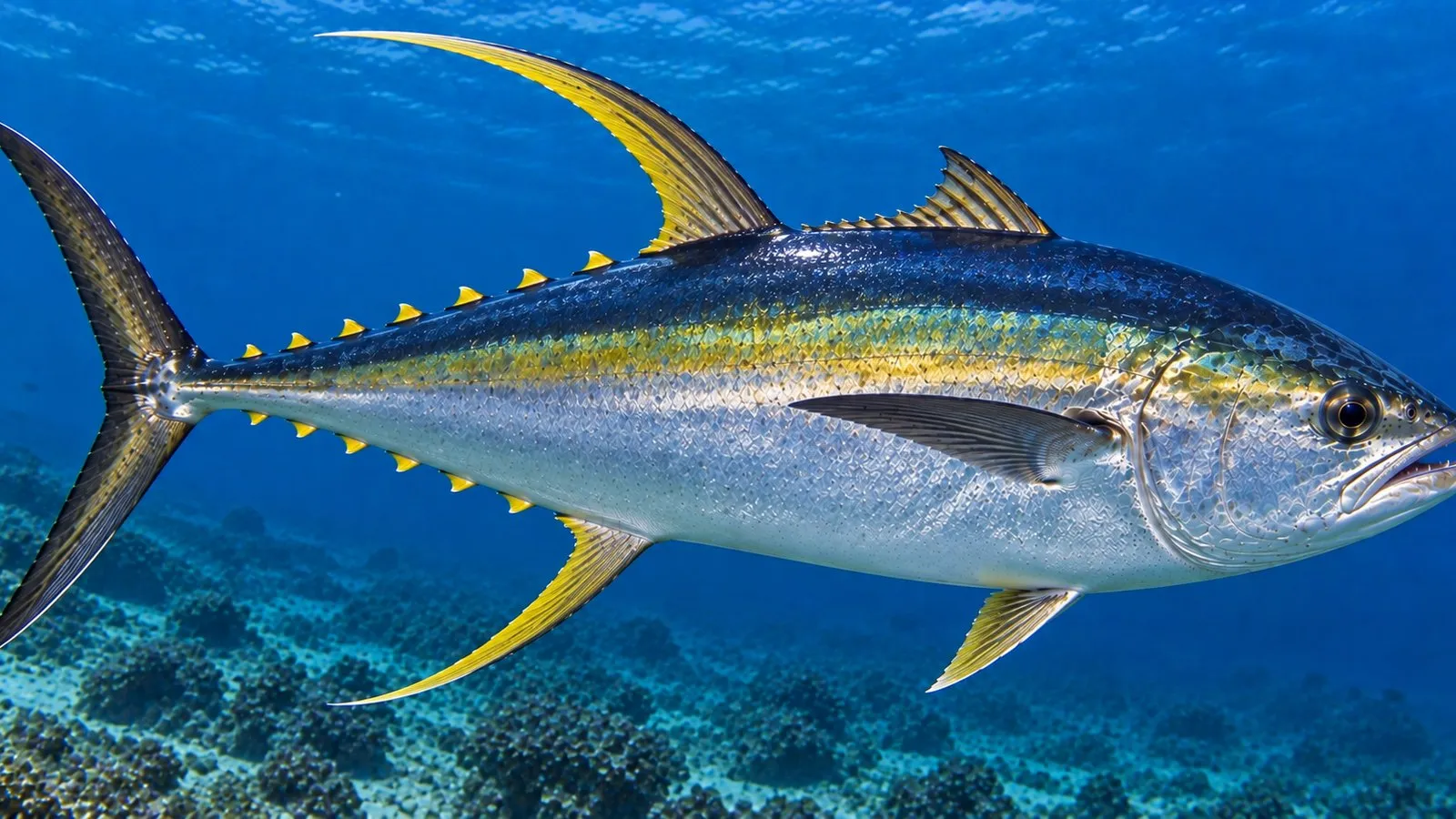
Yellowfin tuna regulated
Deep water species — generally the longest trips only.
Eats fish, squid, and crustaceans, near the top of the food chain — NOAA Fisheries
-
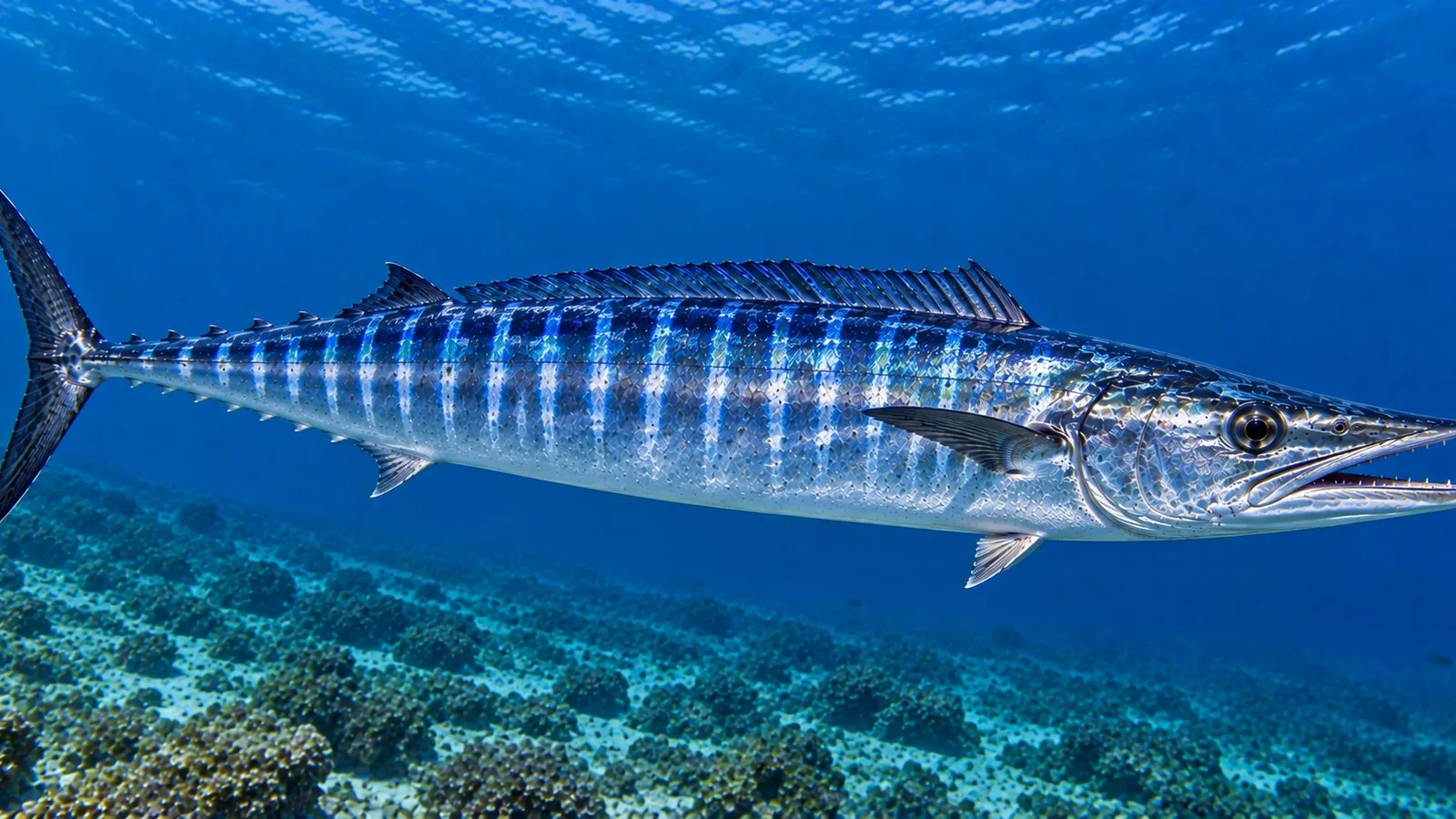
Wahoo
Fast, sporadic, taken while trolling offshore.
Eats squid and fish, including frigate mackerel, butterfish, porcupine fish, and round herring — NOAA Fisheries
-
Shark regulated
Several species, nearshore and offshore. Federally managed, species-specific rules, and many species may not be kept at all.
Inshore species
Bays, back bays, passes, the waterway and grass flats.
Light-tackle fishing in protected water. Smaller fish, more bites, and a very different day out.
-
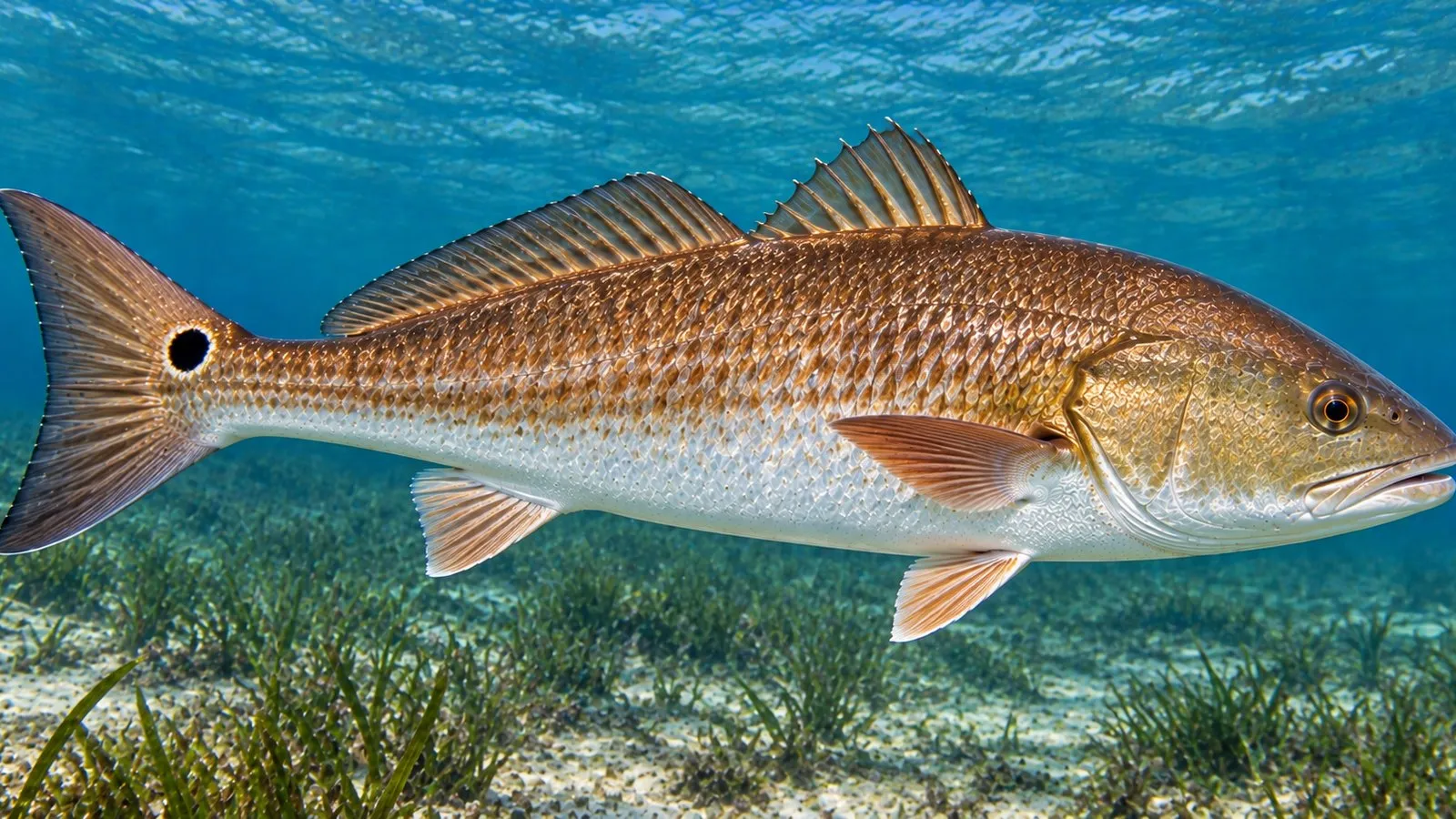
Redfish regulated
The inshore headline species. Slot limits typically apply.
Eats crustaceans such as shrimp and crabs — Outdoor Alabama
Not published Alabama’s conservation department keeps a red drum page, but publishes no diet, habitat or eating-quality statement on it. NOAA has no red drum page at all — the species is state-managed. — Outdoor Alabama
-
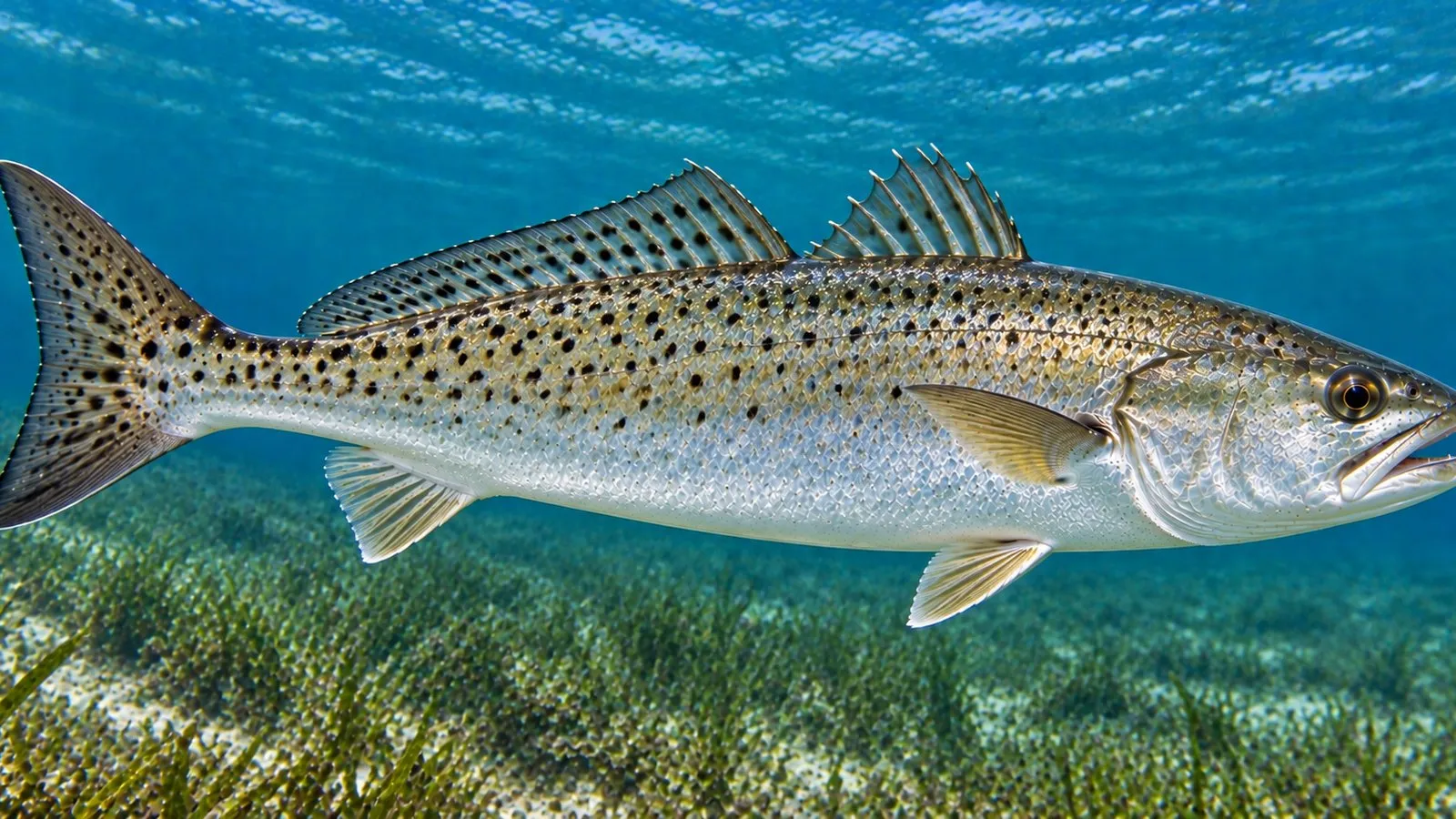
Speckled trout regulated
Spotted seatrout — a mainstay of bay fishing here.
Eats shrimp and small fin fish as adults, mostly invertebrates as juveniles — Outdoor Alabama
-
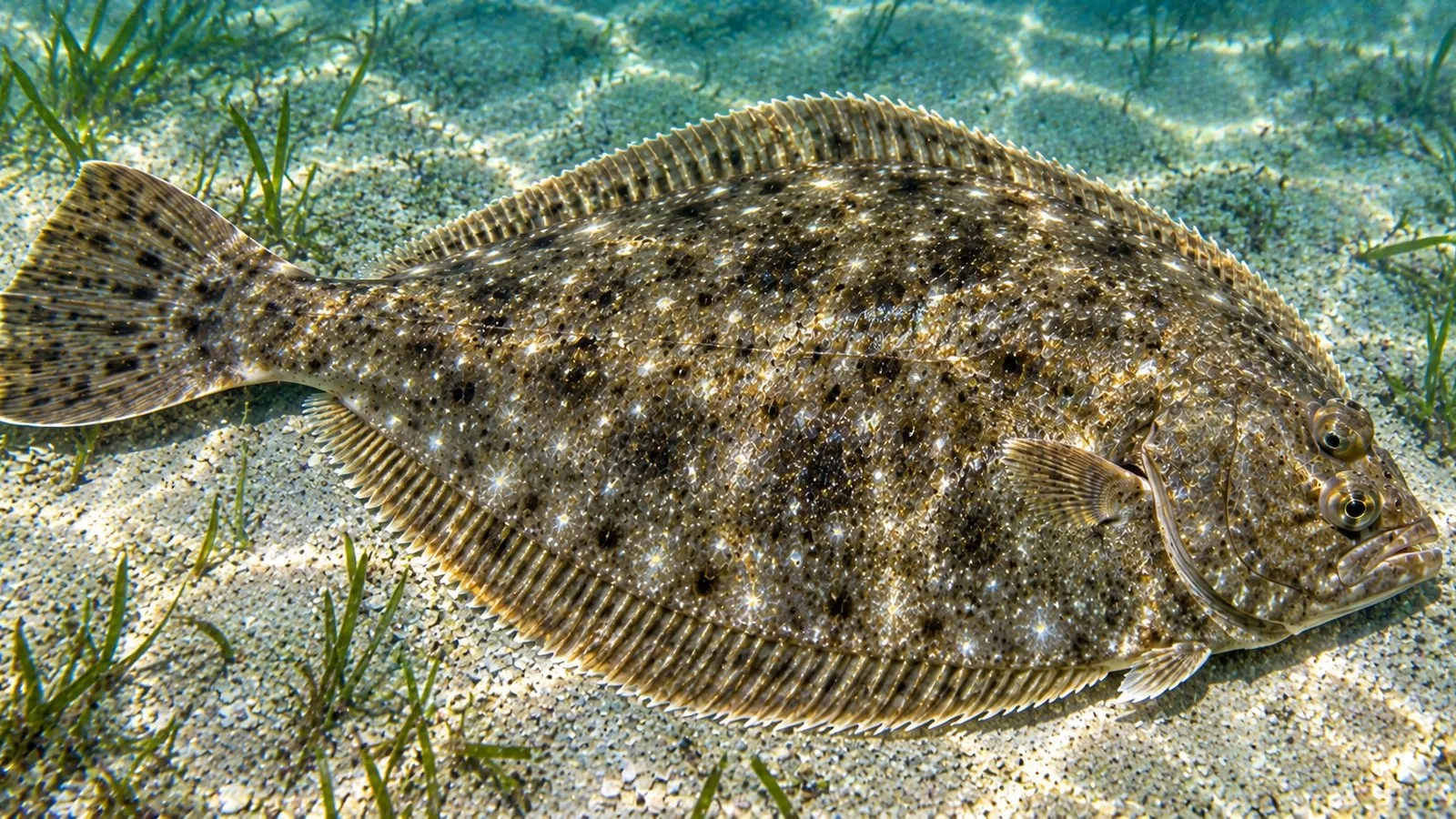
Flounder regulated
Ambush predator on the bottom, often with a closed period.
-
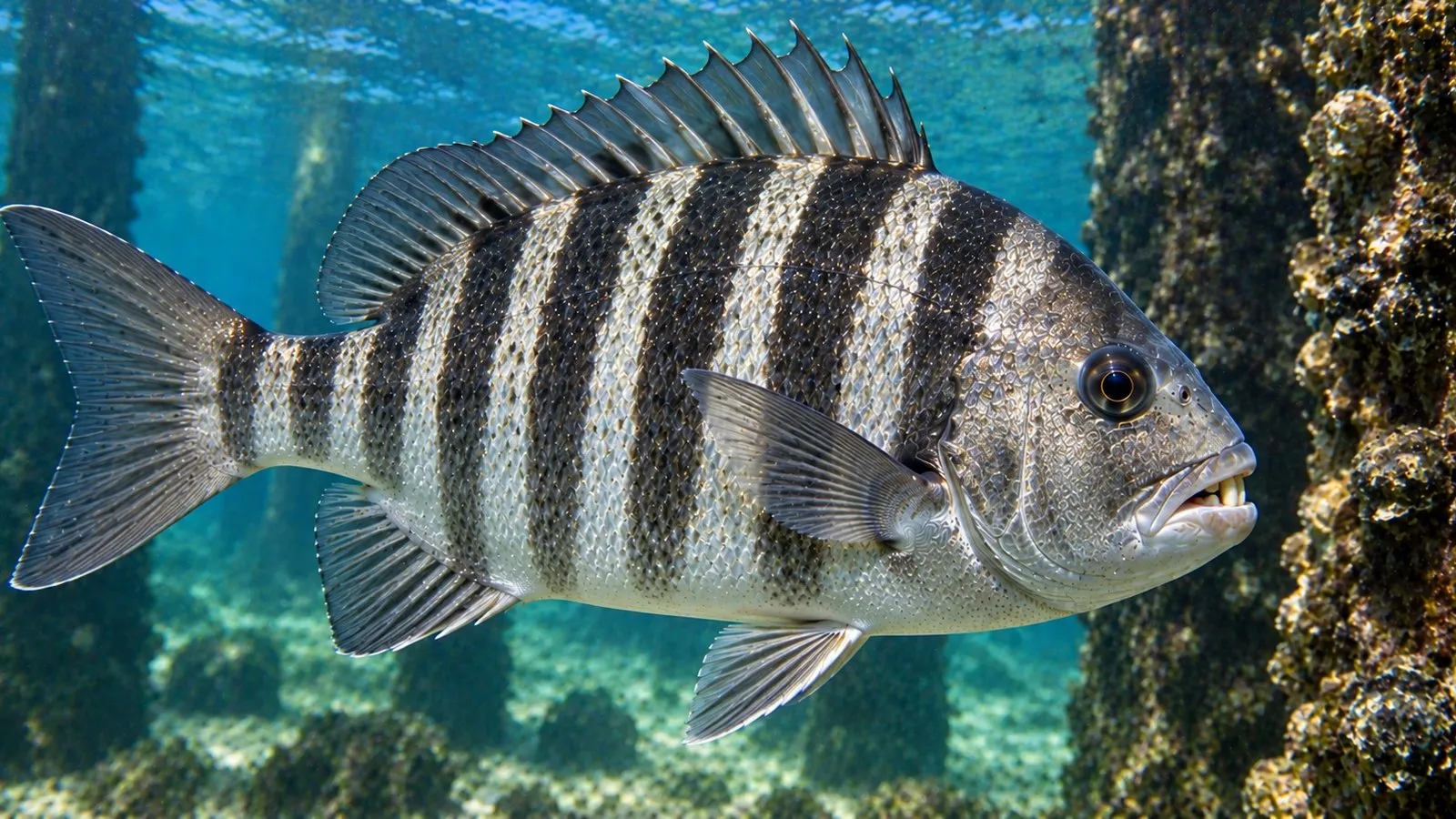
Sheepshead regulated
Structure feeder, found around pilings and rocks.
-
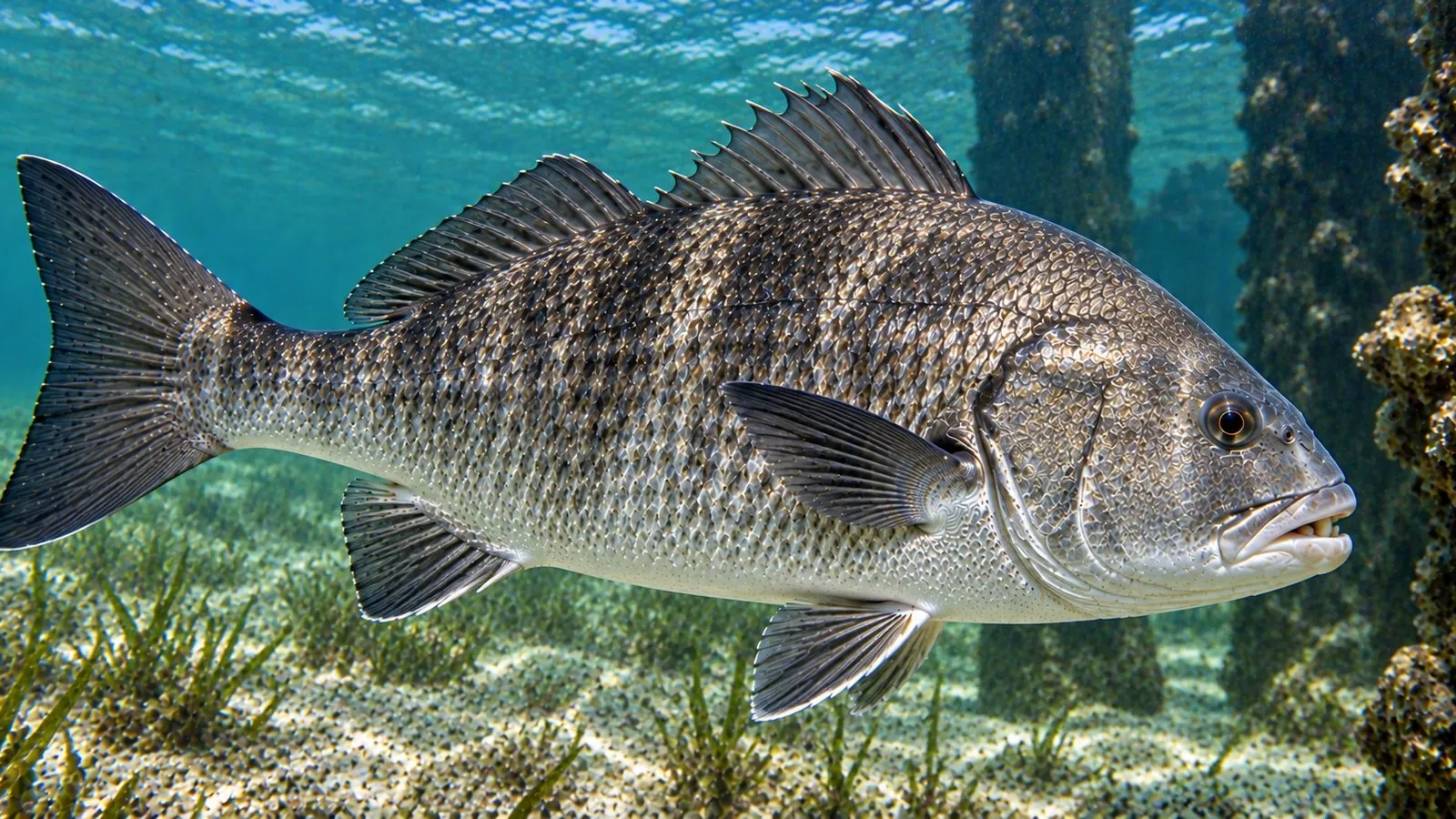
Black drum regulated
Redfish relative, common around structure.
-
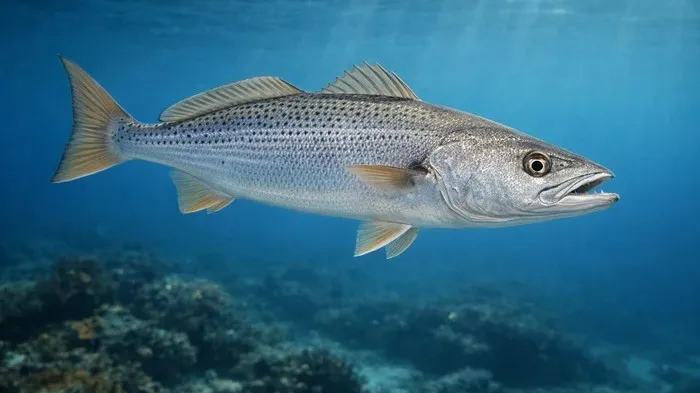
White trout
Sand seatrout — plentiful and popular with children.
-
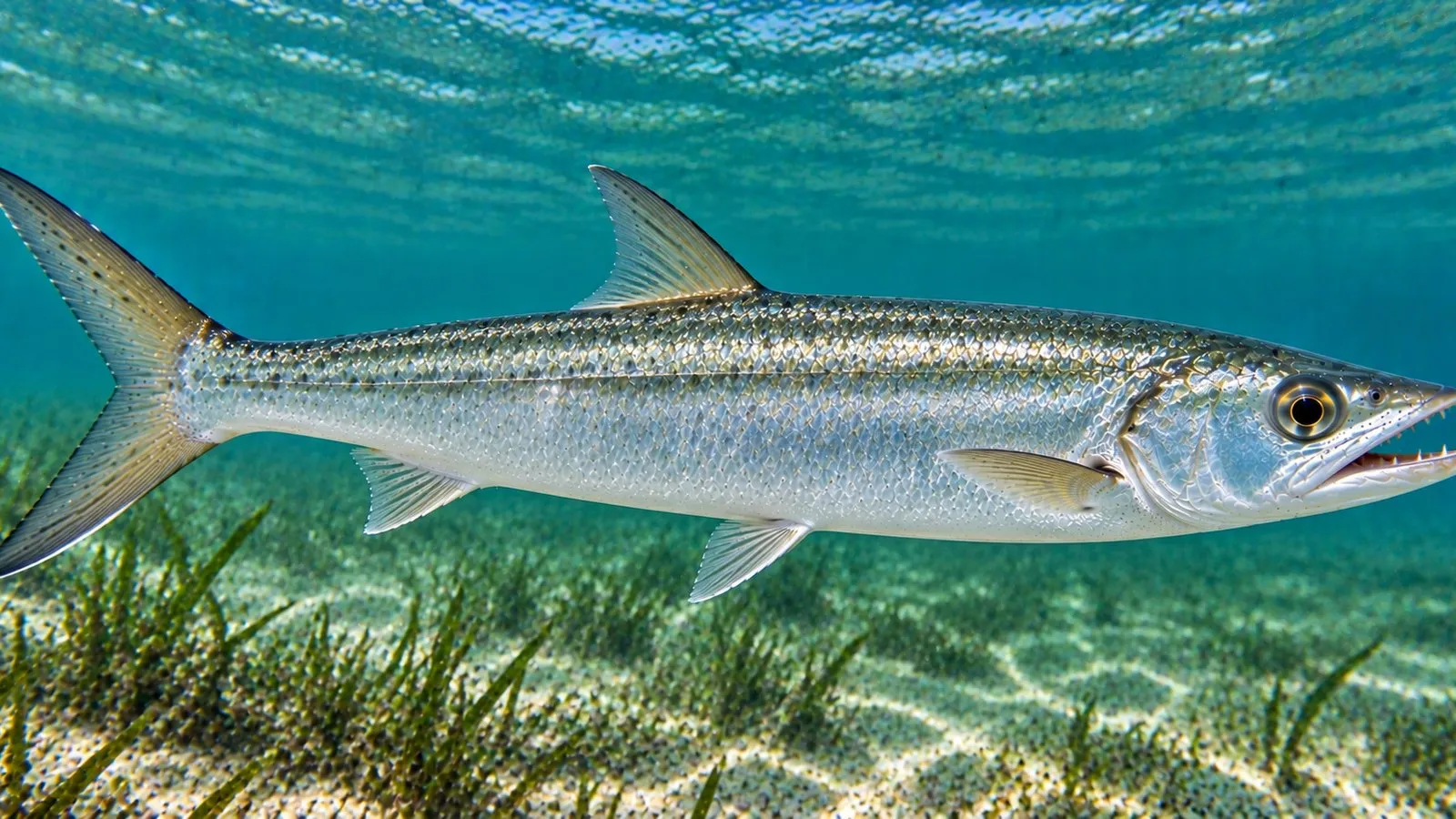
Ladyfish
Acrobatic, not eaten, excellent fun on light tackle.
Current limits, from the regulator
Size limits, bag limits and seasons change — sometimes mid-season. These are the published sources.
- Alabama Saltwater Recreational Size & Creel Limits Current size limits and bag limits, per species, for Alabama waters. Link checked 2026-09-04
- Alabama Saltwater Season Closures, Notices and Updates Current season openings, closures and in-season changes for Alabama waters. Link checked 2026-09-04
- NOAA Fisheries — Recreational Red Snapper Management Federal-waters red snapper seasons and management for the Gulf. Link checked 2026-09-04
One structural fact worth carrying away, because it changes which of these species a given trip can legally target. Alabama state waters extend 9 nautical miles offshore for federally managed Gulf reef fish — a list of 31 species covering the snappers, groupers, triggerfish and amberjacks above — and only 3 nautical miles for everything else. King mackerel, Spanish mackerel and red drum are explicitly outside that provision.
Which is why no month-by-month availability chart appears on this page. Habitat is stable and is what the groupings above are built on; legal availability depends on annually-set seasons and on where the boat is fishing relative to that line. Both come from the regulator, and both change. Offshore fishing explains the boundary, and best time to go explains how the year is shaped.
Why the crew check every fish
Enforcement happens on the boat because that is where the fish is. Crews identify the species, measure it, and count it against the day's limit. They are not being cautious on your behalf — they are complying with regulations that carry real penalties for the vessel. More on how that plays out during the day in what to expect.
Species questions
Is there a redfish season in Alabama?
Red drum are managed by the state rather than federally, and they carry a slot limit as well as a bag limit — the fish has to fall inside a size window to be kept, so a big one goes back. The current window and the current limit come from the Alabama Department of Conservation and Natural Resources, and this page does not publish either, because both change.
Is amberjack in season right now?
Greater amberjack has one of the shorter open windows of any reef species here, and it is set federally as well as by the state, so it can be open in one zone and closed in another in the same week. No static page can answer "right now" — check the regulator before you plan a trip around it.
Is grouper season open in the Gulf?
It depends which grouper. Red grouper, gag and scamp are managed separately, and their seasons do not run together — a boat can be legally keeping one and releasing another on the same drop. Both the state and the federal council set these, and the dates move, so they are not published here.
Is triggerfish open in Alabama?
Gray triggerfish has one of the shortest federal seasons of any species on this coast, often only a matter of weeks. That is a regulator decision, not a boat decision, and it is worth confirming before booking a trip specifically to catch them.
How many pompano can you keep in Alabama?
The bag limit is set by the Alabama Department of Conservation and Natural Resources, and it is not published on this page for the same reason no other limit is: it changes, and a stale number here would be worse than no number. The state publishes current saltwater size and creel limits in one place.
Is red snapper open right now?
Not a question a fixed page can answer honestly. Red snapper seasons for private, state-licensed charter and federally permitted boats are set separately and announced per season, sometimes with in-season changes. Ask the operator you are booking with, and check the state notice.
Is cobia good to eat?
NOAA Fisheries describes cobia as having "a sweet, rich flavor", and the flesh as "lean, moist, and firm with a nice flake". It is one of the more prized fish taken on this coast, and it is also one people plan a trip around rather than expect as a bycatch.
Is Gulf grouper good to eat?
NOAA Fisheries describes both red grouper and gag as having "a mild but distinct flavor, somewhere between bass and halibut". Red grouper is characterised as very firm, moist and flaky; gag as firm, moist and flaky. They are among the most sought-after table fish on a bottom trip.
Is amberjack a good fish to eat?
NOAA Fisheries describes greater amberjack as having "a sweet, mild flavor" with flesh that is "tender, firm, and delicate". It has a reputation as a hard-fighting fish first and a table fish second, but the agency description is straightforwardly positive.
Are triggerfish good to eat?
NOAA Fisheries describes the meat of gray triggerfish as "uniquely sweet" and the texture as firm, turning white when cooked. The tough skin is the reason crews rather than passengers usually handle cleaning them.
Does the Gulf of Mexico have mahi-mahi?
Yes. NOAA Fisheries records Atlantic mahi-mahi across the Atlantic, the Gulf and the Caribbean, caught from Massachusetts to Texas. They are a blue-water fish rather than a reef fish, so reaching them is a question of how far a trip runs rather than whether they are present.
Is Gulf redfish good to eat?
No agency publishes an eating-quality description for red drum. Alabama’s conservation department keeps a red drum page but states nothing about taste or texture, and NOAA has no red drum page at all because the species is managed by the state rather than federally. Rather than fill that gap with an opinion, this page records that the claim is not published anywhere authoritative.
What is the most popular fish to catch in Gulf Shores?
Red snapper, by a wide margin. It is the species most visitors plan a trip around and the one that drives demand for offshore charters. Its season is set annually rather than being fixed, so check the current dates before booking a trip specifically for it.
What can you catch inshore?
Redfish, speckled trout, flounder and sheepshead are the mainstays, with black drum, white trout and ladyfish common. These are smaller fish caught on light tackle in protected water, and the fishing is more active than bottom fishing offshore.
Why do some fish have to go back?
Size limits, bag limits and closed seasons apply to most regulated species, and the crew are legally obliged to enforce them. A fish can be too small, too large, over the day's limit, or simply out of season. None of that is negotiable on the boat.
Where do I find the current limits?
From the regulator, not from a guide page. The Alabama Department of Conservation and Natural Resources publishes state water rules, and NOAA Fisheries publishes federal water rules for the Gulf. Limits change, sometimes within a season, so use the current published version.
What does grouper like to eat?
NOAA Fisheries records red grouper feeding on a wide variety of fish, octopus and crustaceans including shrimp, lobsters and mantis shrimp, and gag grouper on fish, crabs, shrimp and squid. That is what they eat in the wild; what your boat puts on a hook is the crew's decision.
What do cobia like to eat?
Mainly crustaceans, but also fish and squid, according to NOAA Fisheries. Cobia are also recorded holding near structure and alongside large animals such as sharks, turtles and rays, which is why they are often spotted rather than blind-fished.
What fish eat small baitfish like cigar minnows and pinfish?
Most of the species targeted here. Fish appear in the published diet of red snapper, vermilion snapper, red and gag grouper, greater amberjack, king mackerel, cobia, wahoo, yellowfin tuna and speckled trout. Small baitfish are the common denominator across reef and pelagic species alike.
What is the most common fish caught out of Gulf Shores?
Red snapper is the species most trips are planned around, and reef fish generally dominate the offshore catch because the artificial reef systems here hold them. Inshore, redfish and speckled trout are the mainstays. Season and distance decide what is realistic on any given trip.
Can you eat everything you keep?
The species anglers keep here are generally good eating, and the crew will fillet them at the dock. A few species caught inshore are treated as sport rather than table fish and are usually released. Ask the crew — they will tell you which is which.
Next step
Looking for fishing trips in Gulf Shores or Orange Beach?
Fishing Charters Gulf Shores is an independent guide — no boats, no bookings, nothing to sell. It exists so you can ask better questions before you hand an operator a deposit.
Fishing Charters Gulf Shores takes no bookings and earns nothing from a click. You book with the operator directly.